Best Seller
DOWNLOAD FREE
LAW FIRM LEADS
The Lawyer's Guide to Turning Clicks Into Clients · by Braden Pollock

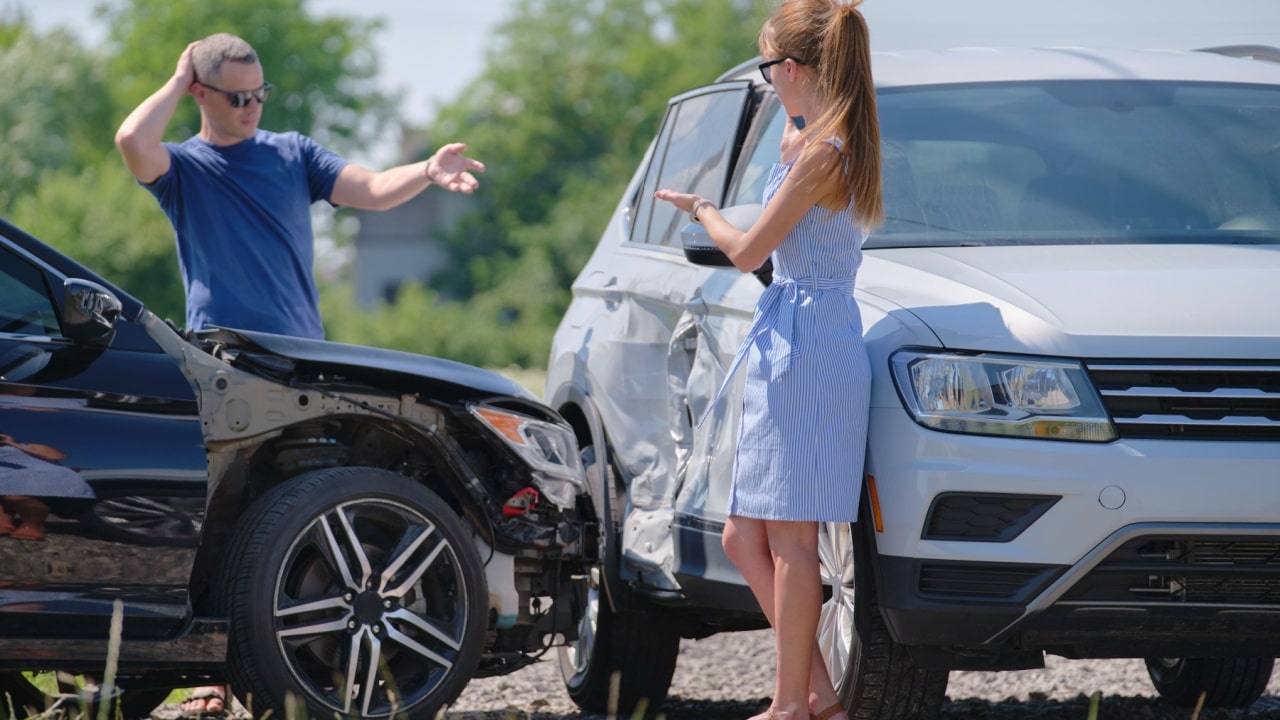
If your vehicle was damaged in an accident caused by someone else, one of the first things on your mind is likely: How do you make someone pay for car damage? Whether it was a fender bender or a more serious crash, getting fairly compensated for repairs is essential—and the process isn’t always as straightforward as it should be.
In this article, we’ll walk you through the steps to get the at-fault party (or their insurer) to pay for car damage, explain your options if they’re uninsured or uncooperative, and share tips to protect yourself during the claims process.
Before anyone is required to pay for car damage, fault must be established. In most states, the at-fault driver (or their insurer) is legally responsible for covering the cost of property damage from an accident.
If you’re unsure whether you have a case or need help gathering evidence, consulting with a car accident lawyer can clarify your options and speed up recovery efforts.
If the other driver is insured and admits fault (or their insurance company agrees), you can file a third-party property damage claim through their insurer. This is often the most direct way to recover repair costs.
If approved, the insurer should pay for car damage directly or issue a check. Be sure to review the settlement carefully and ask questions if anything seems unclear.
Unfortunately, not every situation goes smoothly. If the other driver is uninsured, underinsured, or disputes liability, your options depend on your coverage and willingness to pursue legal action.
To make someone pay for car damage, you’ll need to present clear, organized evidence. The more prepared you are, the less likely the other party—or their insurer—is to dispute your claim.
If you’re being denied fair compensation or the other party refuses to cooperate, a legal lead generation partner can connect you with attorneys ready to take action.
If you’ve been asking yourself how do you make someone pay for car damage, the good news is that the law provides multiple paths to recovery. Whether through the at-fault party’s insurance, your own policy, or legal action, you can pursue the compensation you need to repair or replace your vehicle.
Taking swift, organized action gives you the upper hand—especially when evidence is on your side. Don’t wait to start the process, and don’t be afraid to seek legal advice if your claim is being ignored or unfairly denied.
If you’re struggling to get compensation or dealing with an uncooperative insurer, Legal Brand Marketing connects you with experienced attorneys who can fight for your property damage claim.
Don’t let someone else’s negligence cost you more than it should. Contact us today to get matched with a lawyer who knows how to get results.
Yes, but they must agree to do so voluntarily or be ordered by a court. If they’re unwilling, you’ll need to pursue insurance or legal action.
Not always—but a lawyer can help if the other party denies fault, there’s no insurance, or your damages are significant.
Yes. If the total damage is within your state’s small claims limit, you can file a claim without an attorney and present your evidence.
If they won’t communicate or provide insurance details, you can involve your own insurer and/or begin legal proceedings.
It might, depending on fault and your insurer’s policies. UMPD claims may not affect your premium, but collision claims could—even if you weren’t at fault.